System assessment and recommendation
The existing system is assessed against what the building needs, and the honest repair-or-replace call comes first.

Every machine reaches a point where repair costs more than it saves. When yours gets there, we handle the whole replacement: assessing what the building actually needs, selecting the equipment, scheduling the work around your operation, installing it, and commissioning it so it runs the way it was specified to run rather than merely switching on.
The more useful half of that is knowing when you are not there yet. We will tell you when a repair is the better call, even though the replacement is the bigger invoice. A machine replaced years early is money you did not need to spend, and a recommendation you cannot trust is worth less than no recommendation at all.
What is included
The existing system is assessed against what the building needs, and the honest repair-or-replace call comes first.
Equipment is sized and specified for the load you actually have, not the one on the old nameplate.
The work is scheduled around how the building runs, with the sequence and dates agreed before anything is removed.
Removal of the old system and installation of the new one, handled by the team that scoped it.
The system is started, measured, and verified against spec, so it leaves performing rather than merely running.
A record of what was installed, how it was configured, and the commissioning results, for your files.
The business case
Plenty of machines get replaced because replacing them is easier to sell than fixing them. We would rather give you the call that is right for the building, because the trust is worth more to us than the one project. When the numbers genuinely favor replacement we will show you why, and when they do not, we will tell you that instead and repair what you have.
Equipment we cover
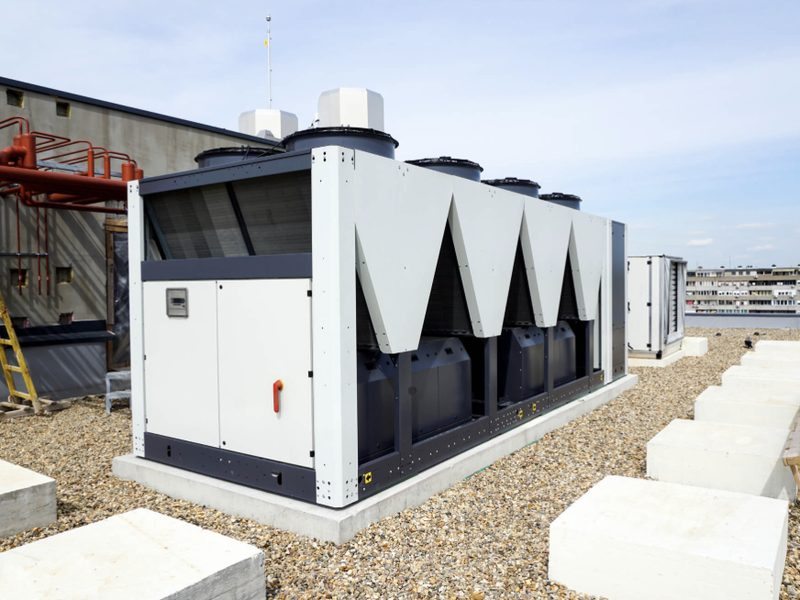
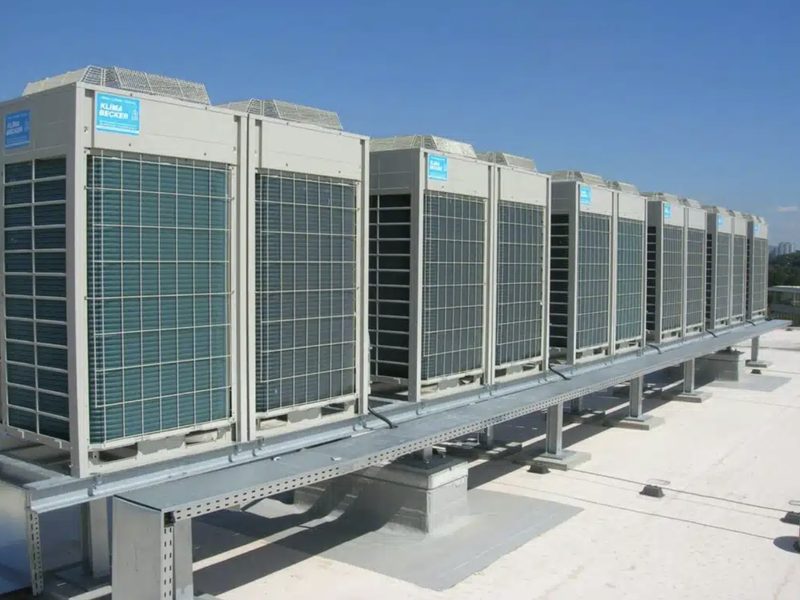
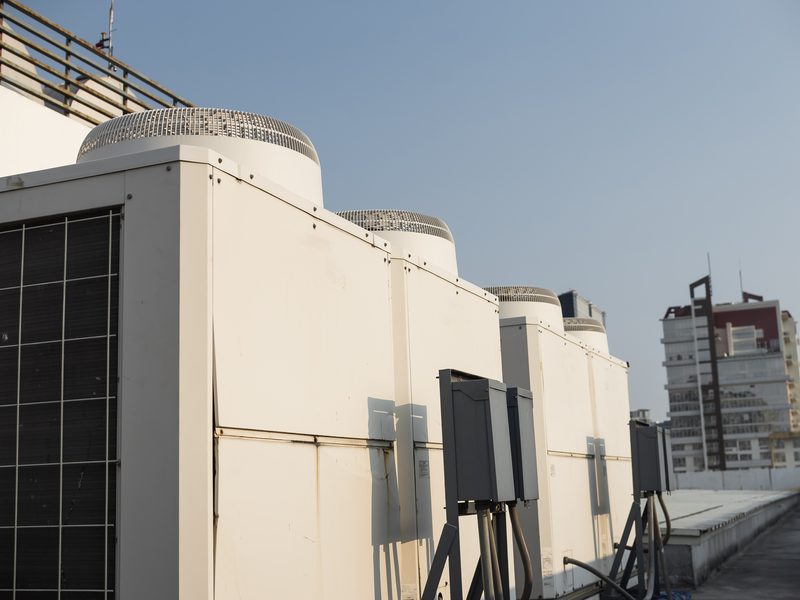
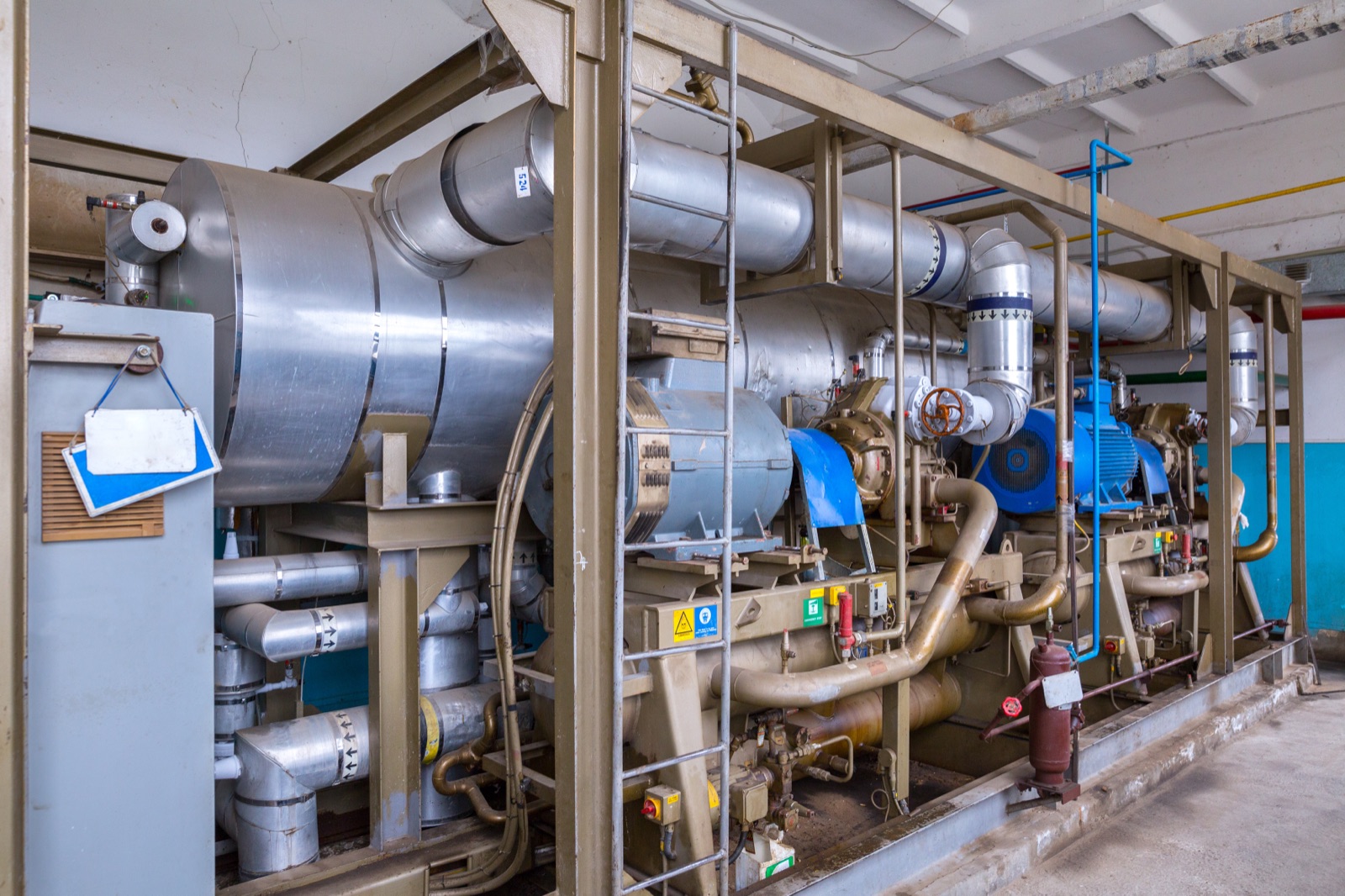
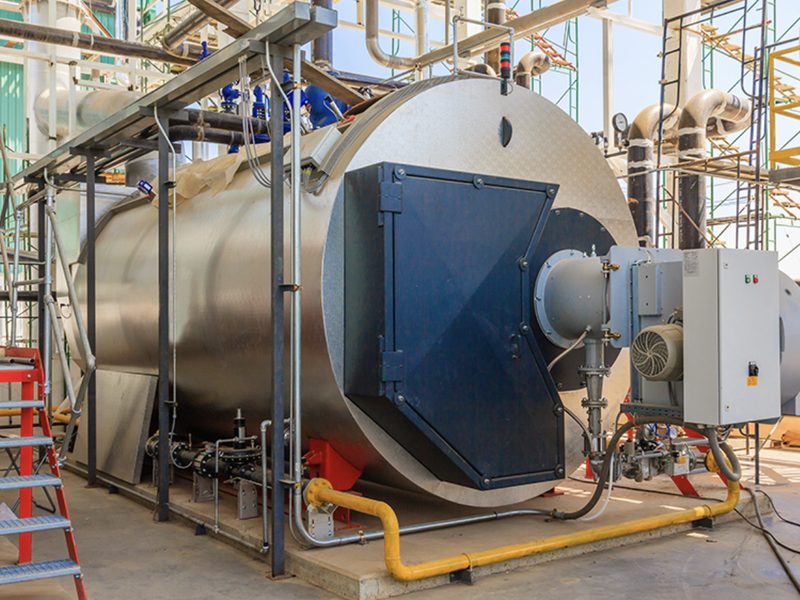
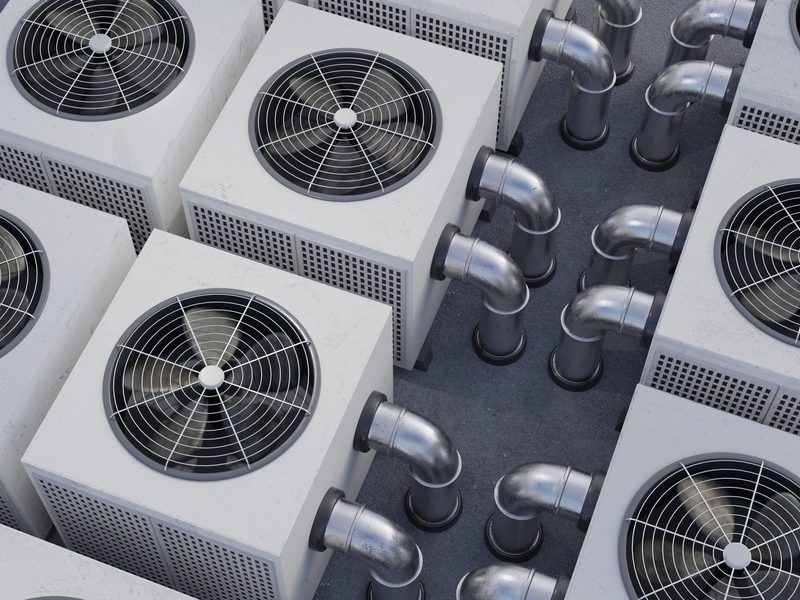
Full replacement is most common on the big-ticket systems: chillers, cooling towers, boilers, and rooftop units.
FAQ
The machine is assessed on what is actually wrong with it, what that costs to put right, and how much life the repair buys. If repair wins, we will say so, even though replacement is the larger job.
It depends on the system, the equipment lead time, and how the building can be worked around, so the sequence and dates are agreed up front rather than estimated on the day.
The work is planned around how the building actually runs. The sequence and dates are agreed before anything is removed, the job can be staged so occupied spaces stay usable, and where a space cannot go without heating or cooling, interim measures keep it covered until the new system is online.
From the blog
At some point, every building owner has the same conversation with their HVAC contractor. The system is struggling. A repair is possible but not cheap. The unit is old enough that another problem is probably coming. The contractor recommends replacement. The building owner does not know if that is the right call or a convenient […]
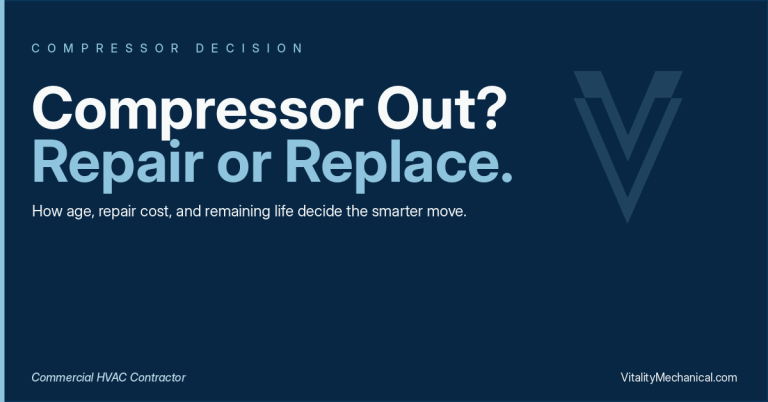
The technician called. The compressor is gone. You have a quote for the repair and probably a suggestion about replacement, and you need to make a capital decision without a lot of time to think about it. This is one of the most common expensive decision points in commercial HVAC. Here is how to think […]
Getting multiple bids on commercial HVAC work is the right thing to do. The problem is that most building owners evaluate those bids by looking at the bottom line, comparing it to the other bottom lines, and picking the lowest one that comes from a contractor who did not seem obviously bad during the walkthrough. […]
24/7 Response · Southeast Michigan